UK Fire Safety Regulations: A Complete Guide for Residential Buildings
UK fire safety regulations for residential buildings are evolving faster than at any point since the Grenfell Tower Inquiry. From the landmark Fire Safety (England) Regulations 2022 through to BS 9991:2024, mandatory sprinklers in care homes, and Residential PEEPs coming into force in April 2026, responsible persons, building managers, and property developers face a growing… Continue reading UK Fire Safety Regulations: A Complete Guide for Residential Buildings
UK fire safety regulations for residential buildings are evolving faster than at any point since the Grenfell Tower Inquiry. From the landmark Fire Safety (England) Regulations 2022 through to BS 9991:2024, mandatory sprinklers in care homes, and Residential PEEPs coming into force in April 2026, responsible persons, building managers, and property developers face a growing and complex compliance landscape.
This guide brings everything together in one place, explaining what the current fire safety regulations in the UK require, what has changed in 2024 and 2025, and what is coming next, so you can stay compliant and keep your multi-occupied residential building safe. Whether you manage a block of flats, a specialised housing scheme, or a high-rise residential building, this guide covers your obligations.
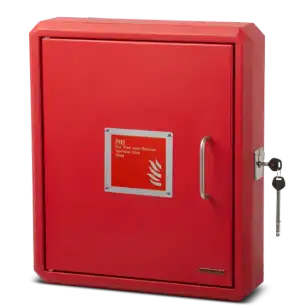
At Gerda Security, we have over 30 years of experience providing trusted fire safety infrastructure solutions, including certified fire doorsets and our Premises Information Box (PIB), which is designed to help properties meet their legal obligations under the fire safety regulations in the UK. Read on for expert guidance from our team.
Key Takeaways
- The 2022 Fire Safety Regulations are mandatory for all multi-occupied residential buildings.
- New-builds over 11m and existing buildings over 18m must have a secure information box (SIB/PIB).
- Regular checks on fire doors and equipment are required.
- Keeping residents informed is a key part of compliance.
- Failure to follow the rules could lead to criminal charges.
- BS 9991:2024, published November 2024, introduces updated fire safety design standards for residential buildings.
- From 2 March 2025, sprinklers are mandatory in all new-build care homes in England.
- New Residential PEEP regulations come into force in April 2026, requiring tailored evacuation plans for vulnerable residents.
- Second staircases will be required in new residential buildings over 18m from September 2026.

Why Were the Fire Safety England Regulations 2022 Introduced?
The tragic fire at Grenfell Tower revealed dangerous gaps in building safety. As a result, the Fire Safety England Regulations 2022 were introduced to make sure building managers take extra steps to protect people. These laws ensure that critical details about buildings are shared with fire services and that regular safety checks are carried out, reducing the risk of fires and improving emergency responses.
Installing a Premises Information Box (PIB) from Gerda Security and keeping your fire safety checks up to date are key ways to stay on the right side of the law.
Which Buildings Must Follow the Fire Safety Regulations?
The fire safety regulations apply to a wide range of buildings:
- High-rise residential buildings over 18 metres or with more than 7 storeys.
- Residential buildings over 11 metres.
- All multi-occupied residential buildings, regardless of height.
Each type of building has different responsibilities. For example, high-rise buildings are legally required to install a secure information box (SIB). You can find more details about our solution, the Premises Information Box, on our knowledge page.
What is a SIB, and Why Are They Required?
A secure information box is a locked, durable box that stores critical documents for emergency use. This includes up-to-date floor plans, contact details of the responsible person, evacuation strategies, and information about residents who may need extra help, such as those with mobility difficulties.
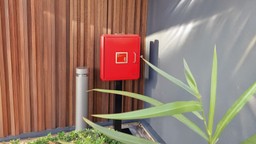
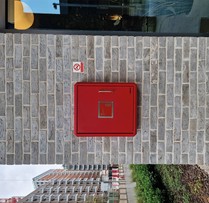
Our Gerda Security PIB is designed to meet strict standards, including Secured by Design requirements. These boxes are built to last and can be installed either inside or outside the building, depending on what works best for the property.
Not sure which PIB is right for your building? Compare the Gerda PIB vs an Emergency Plans Box to understand the key differences in security, compliance, and durability.

What Other Checks Do the Fire Safety Regulations Require?
Fire Door Inspections
The fire safety regulations make regular fire door checks mandatory. In buildings over 11 metres, flat entrance doorsets must be checked every year. In communal areas of any multi-occupied building, fire doors should be checked every three months. This helps ensure that doors are working properly and can stop fires from spreading.
Firefighting Equipment Checks
High-rise buildings must also have monthly checks on essential fire fighting equipment, including lifts and alarms. Keeping this equipment in working order is crucial for safety during an emergency.
New and Upcoming Fire Safety Regulations UK: 2024–2026
The UK fire safety landscape has undergone significant changes since the 2022 Regulations came into force. Below is a summary of the key updates that building owners, responsible persons, and safety professionals need to be aware of.
BS 9991:2024: Updated Residential Fire Safety Design Standard
Published in November 2024, BS 9991:2024 replaces the 2015 edition and represents a major revision of fire safety guidance for residential buildings in England. Key changes include:
- Extended scope to include residential care homes.
- Clearer height limits for single-staircase buildings.
- Detailed guidance on evacuation lifts for tall buildings.
- Revised building height limits for the installation of sprinkler systems.
- Some smoke control provisions have moved from ‘informative’ to ‘normative’ (mandatory where applicable).
- Enhanced measures for buildings over 30 storeys, including improved firefighter access.
Duty holders (including architects, designers, contractors, and fire risk assessors) should review these new standards carefully, as they impact the design, management, and use of all relevant residential buildings.
Sprinklers Now Mandatory in New-Build Care Homes (March 2025)
From 2 March 2025, all newly constructed care homes in England must have automatic fire sprinkler systems installed, regardless of building height. This is a requirement under the updated Approved Document B and reflects the heightened vulnerability of fire safety in care home residents in the event of a fire.
Transition from BS 476 to European Fire Testing Standards (BS EN 13501)
The long-standing national fire testing standard BS 476 has been withdrawn as of 2 March 2025 for reaction-to-fire and roof classifications. All materials must now be assessed using the European standard BS EN 13501.
This transition aligns UK regulations with recognised European protocols and provides more comprehensive performance classifications. Building owners, contractors, and architects should ensure all fire safety materials and products are certified under the new standard.
Residential Personal Emergency Evacuation Plans (RPEEPs) — From April 2026
The Fire Safety (Residential Evacuation Plans) (England) Regulations 2025 come into force on 6 April 2026. These regulations require responsible persons to:
- Identify residents whose ability to evacuate independently is compromised due to cognitive or physical impairments.
- Conduct person-centred fire risk assessments for vulnerable residents.
- Implement tailored Residential Personal Emergency Evacuation Plans (RPEEPs).
- Share these plans with the local Fire and Rescue Service.
The regulations apply to high-rise residential buildings (18m+ or 7+ storeys) and buildings over 11 metres with simultaneous evacuation strategies. Responsible persons should begin preparing now to ensure compliance by April 2026.
Second Staircases in New Residential Buildings Over 18m (September 2026)
From 30 September 2026, all new residential buildings over 18 metres in height will be required to incorporate a second staircase. This change, under the updated Approved Document B, is designed to improve evacuation routes and reduce congestion during emergencies. Buildings where a building notice or initial notice has been given before this date may be subject to transitional provisions.
Grenfell Tower Inquiry Phase 2 Report: Ongoing Reforms
The Grenfell Tower Inquiry Phase 2 report, published in September 2024, made wide-ranging recommendations that are expected to shape UK fire safety regulations for years to come. Key recommendations include:
- Establishing a single independent construction industry regulator.
- Requiring statutory fire safety strategies for higher-risk buildings.
- Formally recognising fire safety engineering as a regulated profession.
- Introducing a mandatory accreditation system for fire risk assessors.
Duty holders should monitor government consultations and updates closely as these reforms are introduced into legislation. See also our overview of the Building Safety Act and Gateway 2 for the regulatory framework that underpins these reforms.
Frequently Asked Questions
What is the purpose of a secure information box?
A SIB or Gerda Security PIB gives firefighters immediate access to critical building details during an emergency.
Where should a SIB or PIB be installed?
It can be mounted inside or outside the building in a location that is easy for emergency services to find.
How often should documents inside the SIB or PIB be updated?
We recommend updating the contents at least once a year or whenever important building information changes.
Do the fire safety regulations apply to all residential buildings?
The Fire Safety (England) Regulations 2022 apply to all multi-occupied residential buildings. However, specific requirements vary depending on building height. For new-build high-rise residential buildings, the stricter requirements apply from 11 metres, while for existing buildings, the threshold is 18 metres. Requirements such as the mandatory SIB and monthly equipment checks fall within these height-based thresholds. Always consult a qualified fire risk assessor to confirm obligations specific to your building.
What is BS 9991:2024, and does it affect my building?
BS 9991:2024 is the updated British Standard for fire safety in the design, management and use of residential buildings. Published in November 2024, it replaces the 2015 edition and introduces new requirements for care homes, taller buildings, and evacuation strategy. If you are involved in designing, constructing, or managing residential buildings, you should familiarise yourself with the new standard.
What are Residential PEEPs, and when do they become mandatory?
Residential Personal Emergency Evacuation Plans (RPEEPs) are tailored evacuation plans for residents whose ability to evacuate independently is compromised. The Fire Safety (Residential Evacuation Plans) (England) Regulations 2025 make these mandatory for relevant buildings from 6 April 2026.